Building a Better Cashflow System—from Nong Pai, Thailand

Development doesn’t always happen in an air-conditioned office.

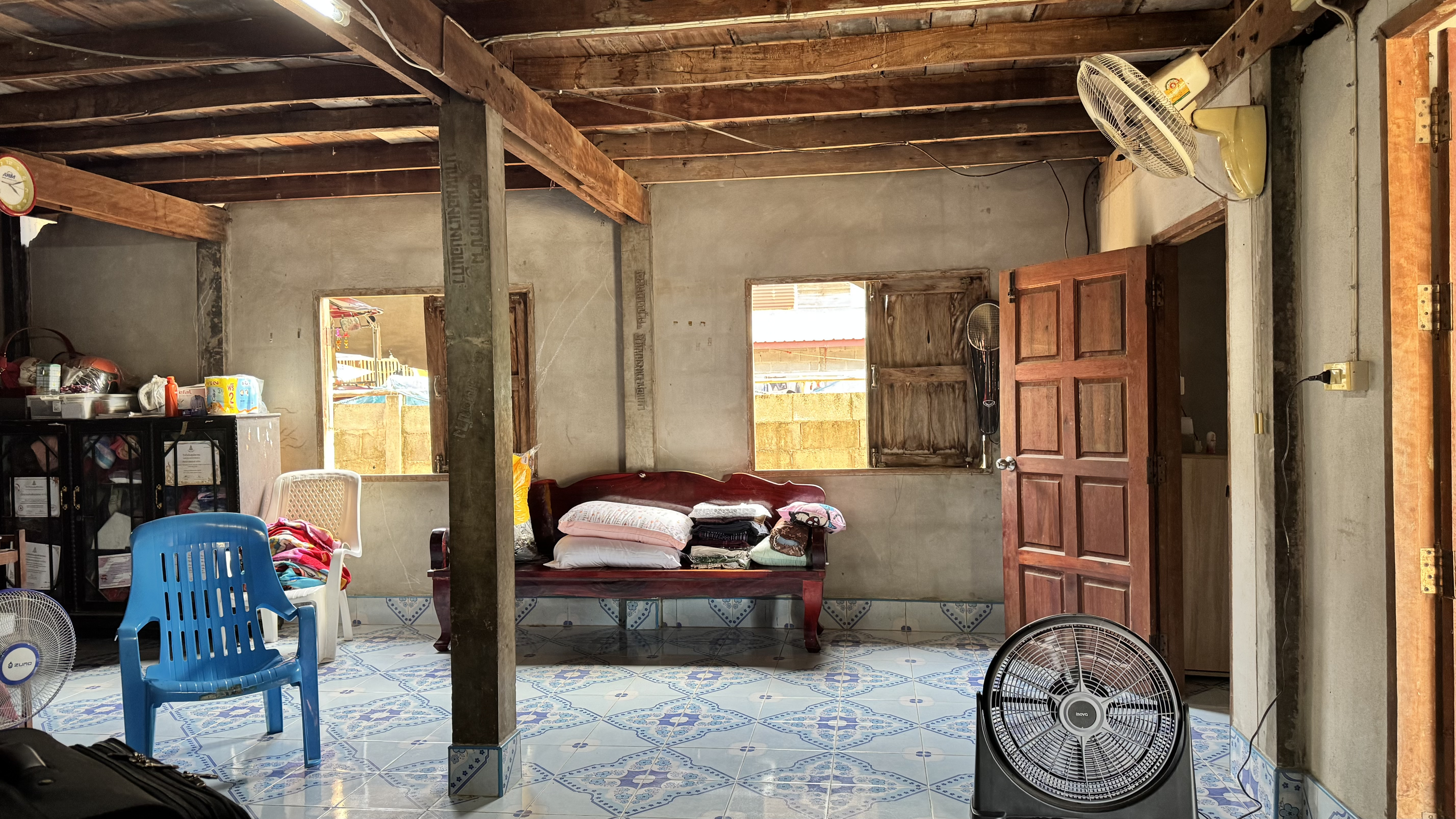
Today’s work took place in Nong Pai, Thailand, with the temperature reaching 35°C and no air conditioning. Despite the heat, we continued refining a new web-based cashflow and bookkeeping solution designed around the practical needs of two related businesses.

What began as a straightforward cashflow register has grown considerably. The system now includes multiple business entities and accounts, projected and confirmed transactions, account transfers, split transactions, credit-card imports, reconciliation workflows and bank-style transaction ordering.

Particular attention has been given to making the software approachable for everyday users. Transactions can remember commonly used classifications, accounts can have nominated defaults, and running balances follow the same order shown on the relevant bank statement.

The project remains a work in progress, but the foundations are now in place for future additions such as job costing, financial reporting and imported project-payment forecasts.

Perhaps the most interesting part has been the development process itself: an ongoing human-and-AI collaboration, shaped through real-world testing and plenty of small refinements.
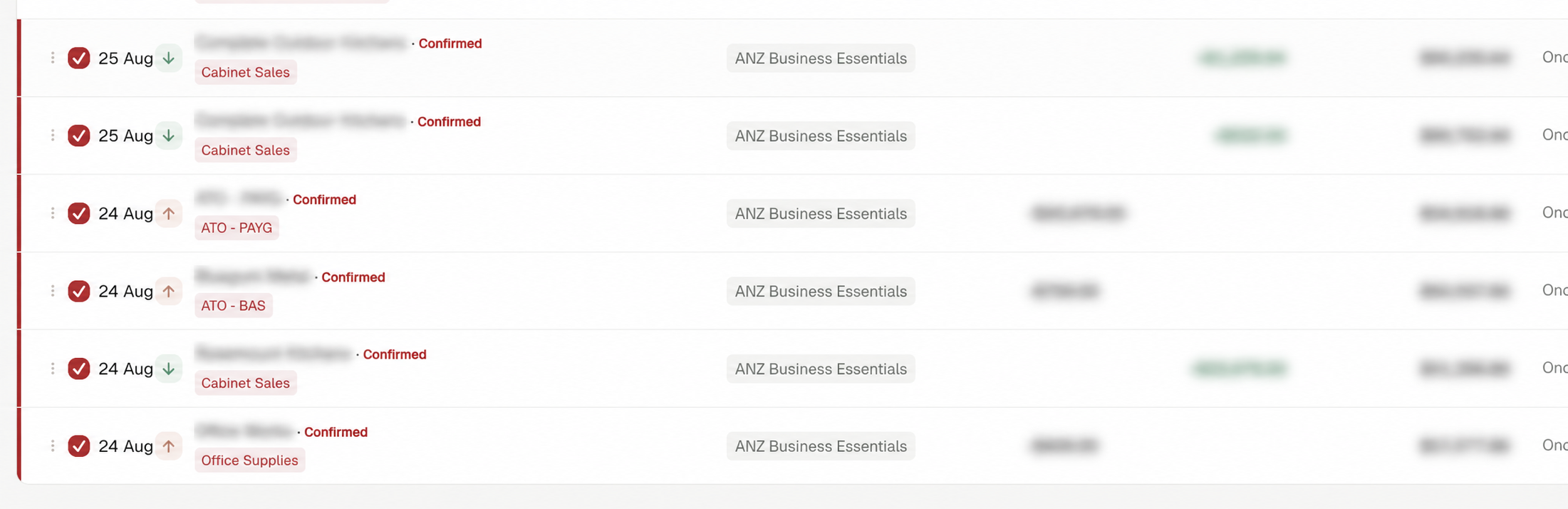
Screenshot: Development version of the cashflow register. Commercially sensitive transaction details and financial figures have been obscured.

All from a rather warm corner of rural Thailand.

Development From Ban Nong Pai, Thailand 🇹🇭

A quick progress update from somewhere a little different.

We’ve now made our way from Melbourne to Bangkok, then Udon Thani, and today drove down to Ban Nong Pai in Kalasin Province, where we’ll be based for the next few weeks.

As the photos probably demonstrate, this isn’t exactly a conventional development office. There’s no air conditioning, the local cooling system consists primarily of strategically positioned electric fans, and our surroundings are very definitely rural Thailand.

But the important bits are all here.

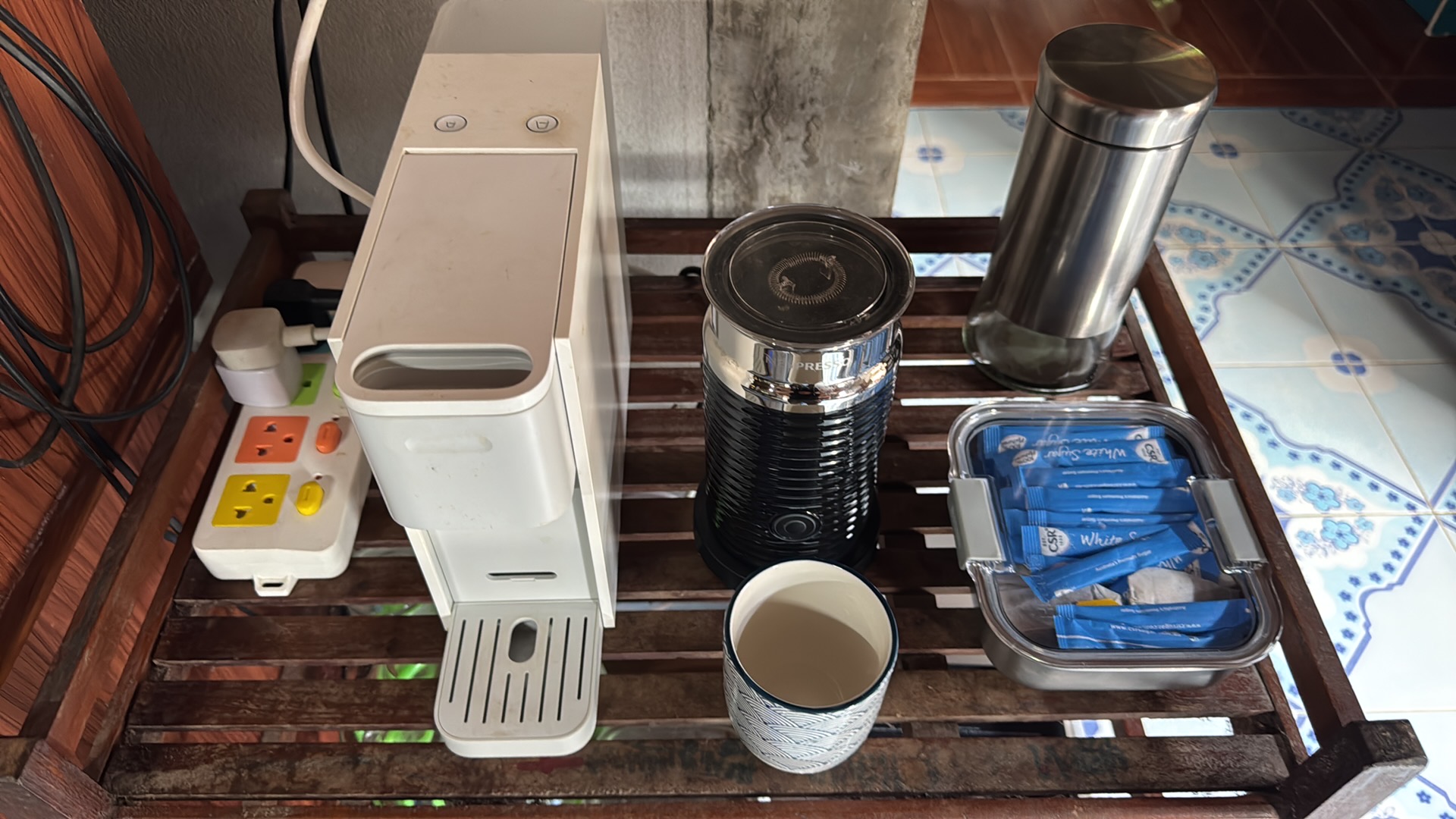
Over the years I’ve left a small collection of equipment here specifically for these trips: a HP monitor, Satechi Thunderbolt dock, keyboard, mouse and all the assorted cables required to turn the MacBook into a proper workstation. There’s even a capsule coffee machine and milk frother, because there are limits to how much hardship one should endure in the name of remote working.

Mother — my MacBook Pro — plugs in, the second display lights up, and we’re essentially back in business.

The remarkable part is how little infrastructure we actually need these days. Give us a modicum of reasonably reliable internet, and we can continue developing, testing, troubleshooting and collaborating from almost anywhere.

The projects, development tools and documentation come with us. Remote access gives us a path back to the systems at home and at work when required, and cloud services take care of much of the rest.

So although the view outside the “office” has changed rather dramatically, development doesn’t have to stop simply because we’re in a small village in northeast Thailand.

In fact, there’s something rather satisfying about sitting in a traditional family home in rural Kalasin, fans whirring away in the background, while a modern development environment carries on much as it would back in Melbourne.

Ban Nong Pai Development Centre is officially operational. 😄🇹🇭💻

And yes — the cold beer beside the keyboard is part of the infrastructure.